
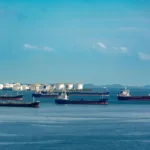










Diplomatic sources in France have indicated that India is among the nations expected to receive an invitation to join a new international initiative aimed at securing the Strait of Hormuz. This development, emerging amidst a broader push to strengthen Indo-French defense cooperation, marks a significant shift in New Delhi’s maritime security posture in the Middle East. The move seeks to ensure safe passage for commercial shipping in one of the world’s most critical oil transit chokepoints, which has faced increasing geopolitical volatility.
Context of the Maritime Security Initiative
The Strait of Hormuz serves as a vital artery for global energy markets, with approximately 20% of the world’s petroleum consumption passing through its narrow waters daily. Recent years have seen a surge in tensions, including incidents involving tanker seizures and suspected sabotage, prompting Western powers to seek a collective security framework. France, a key architect of the proposed maritime surveillance mission, has prioritized building a coalition that includes influential regional and global partners to deter escalation.
Deepening Strategic Ties Between New Delhi and Paris
This initiative coincides with a deepening of the strategic partnership between India and France, centered on enhanced maritime combat capabilities and advanced defense procurement. While high-profile defense deals, such as the potential acquisition of additional Rafale fighter jets, remain subject to complex negotiations, the maritime collaboration signals a maturing security relationship. Analysts suggest that France views India as a natural partner in the Indo-Pacific and beyond, given New Delhi’s growing blue-water navy capabilities and its interest in protecting maritime trade routes.
India’s Evolving Role in Global Governance
India’s potential participation in the Strait of Hormuz initiative reflects its broader trajectory toward becoming a key player in global maritime security. Recent participation at the G7 summit has underscored India’s influence, with observers noting that New Delhi is increasingly seen as a necessary stakeholder in international security frameworks. By projecting its naval presence into the Western Indian Ocean and the Persian Gulf, India is signaling its willingness to move beyond regional focus to support global supply chain stability.
Implications for Global Trade and Regional Stability
For the shipping industry, the formalization of this coalition could provide much-needed clarity and security in a region prone to sudden disruptions. Experts emphasize that a multinational surveillance effort serves as a deterrent against state-sponsored maritime aggression, thereby lowering insurance premiums for commercial vessels. However, the move also places India in a delicate diplomatic position, requiring a balance between its commitment to Western-led security initiatives and its long-standing strategic ties with other regional actors in the Middle East.
Future Outlook and Strategic Watchpoints
Market analysts and defense observers are now closely monitoring the official announcement of the coalition’s charter and the specific contributions expected from participant nations. Key indicators to watch include the level of interoperability between the Indian Navy and the French-led task force, as well as how this partnership influences future naval exercises in the region. As maritime security threats evolve, the effectiveness of this coalition will likely serve as a litmus test for the future of multilateral security cooperation in the Persian Gulf.


