
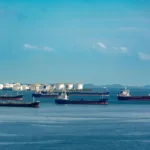










The global food supply faces a critical threat as escalating military tensions in the Persian Gulf jeopardize the movement of essential fertilizer shipments, according to executives at Fertiglobe, one of the world’s largest nitrogen fertilizer producers. As of this week, industry leaders warn that any disruption to shipping lanes in this vital maritime corridor could trigger a surge in grain prices and exacerbate existing food insecurity across developing nations.
The Critical Role of the Persian Gulf in Agriculture
The Persian Gulf serves as a primary artery for the global fertilizer trade, accounting for a significant portion of the world’s ammonia and urea exports. Fertilizer is the fundamental building block of modern industrial agriculture, directly impacting crop yields for staples such as wheat, corn, and rice. When supply chains for these inputs are interrupted, farmers worldwide face immediate pressure to scale back production or absorb unsustainable cost increases.
Supply Chain Vulnerabilities and Market Impact
Market analysts note that the agricultural sector has only recently begun to stabilize following the volatility caused by the war in Ukraine. The potential for a conflict involving Iran creates a new, severe layer of uncertainty for global commodity markets. If shipping lanes are restricted, the resulting logistical bottlenecks will likely force fertilizer prices upward, a cost that is ultimately passed down to the consumer at the supermarket checkout.
Expert Perspectives on Market Stability
Financial experts suggest that even a temporary blockage in the Strait of Hormuz could have long-lasting effects on food inflation. Data from the World Bank indicates that agricultural input prices remain sensitive to geopolitical shocks, with nitrogen-based fertilizers being particularly susceptible to energy price fluctuations. Industry analysts at the International Fertilizer Association emphasize that the global food system operates on a just-in-time delivery model, leaving very little room for extended supply chain failures.
Regional and Global Economic Implications
For many countries in the Global South, the reliance on imported fertilizers is absolute. Any sustained disruption to these supplies risks creating localized food shortages and worsening the humanitarian crisis in regions already struggling with malnutrition. Furthermore, the volatility in fertilizer markets often correlates with increased social unrest, as rising bread and grain prices frequently serve as catalysts for political instability.
Looking Ahead: Monitoring Maritime Security
Observers are now closely watching the movement of major tanker fleets through the Persian Gulf to detect early signs of rerouting or insurance premium spikes. Industry stakeholders are calling for increased international cooperation to ensure the protection of commercial shipping vessels. Whether governments can secure these trade routes will determine the severity of the upcoming harvest cycles and the stability of global food prices throughout the remainder of the year.


