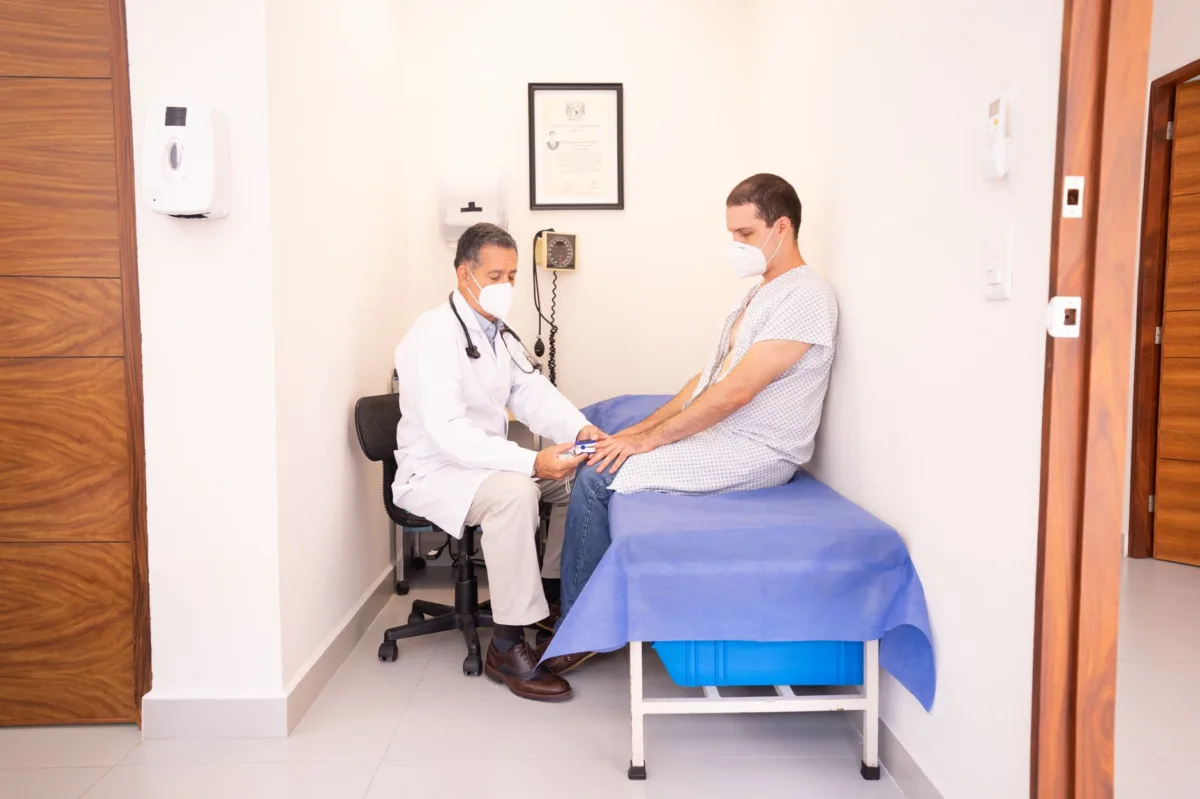








In an era of shifting public health mandates, a recent collaborative reflection published by the World Health Network highlights the ongoing dialogue between a COVID-cautious psychology lecturer and a student aspiring to become a clinical psychologist. This exchange, which took place in late 2023, explores the intersection of academic duty, student mental health, and the practical challenges of maintaining safety protocols within university environments.
The Evolving Landscape of Campus Safety
As universities globally moved toward a “post-pandemic” operational model, many institutions dismantled masking requirements and social distancing measures. This transition has created a complex environment for immunocompromised individuals and those who remain vigilant regarding the long-term impacts of SARS-CoV-2.
The dialogue centers on the tension between institutional policies and individual risk mitigation strategies. For many students and faculty, the classroom remains a primary site of potential transmission, necessitating a re-evaluation of how academic spaces are managed.
Psychological Dimensions of Academic Precautions
The academic partnership examines how COVID-19 precautions impact the psychological well-being of the campus community. The lecturer emphasizes the necessity of accessibility, arguing that inclusive education must account for the health vulnerabilities of its participants.
Conversely, the student perspective focuses on the professional development of future clinicians. The dialogue suggests that the ability to navigate complex health environments is a critical competency for those entering the mental health field.
Data from recent academic surveys indicates that a significant percentage of both faculty and students express ongoing concern regarding viral transmission in crowded lecture halls. These concerns often conflict with university mandates that prioritize a return to traditional, high-density learning environments.
Institutional Implications and Future Challenges
This reflection suggests that the future of higher education may require more flexible, hybrid models of instruction. By incorporating remote options and improved ventilation, universities could better accommodate diverse health needs without compromising academic rigor.
For the broader education industry, this dialogue underscores the need for clear communication regarding safety protocols. As institutions look forward, the challenge will be to balance the social benefits of in-person learning with the imperative to protect the health of all community members.
Stakeholders should watch for upcoming policy revisions at major universities, as administrators weigh the pressure for full normalization against data-driven health recommendations. The ongoing debate over classroom safety is likely to influence recruitment and retention strategies for both faculty and students who prioritize health-conscious environments.